Understanding the Supreme Court: The Highest Law of the Land
The Supreme Court of the United States is one of the most respected and powerful institutions in the country. It started in 1789 with just six justices, but that number fluctuated between five and ten until 1869, when it was set at the nine justices we know today. The Supreme Court’s structure and process have evolved, but its role as the final authority on constitutional matters has remained constant.
How the Supreme Court Works
The process starts when someone files a petition. Out of thousands of petitions each year, only a handful are chosen for review. A group of nine judges—arguably the most powerful in the United States—hears the arguments and then meets in a private room, with only the justices present, to discuss and vote.
When a decision is reached, the justice who votes with the majority writes the official opinion. Justices who disagree can write their own dissenting opinions. These rulings are critical because the Supreme Court’s interpretation of the Constitution becomes the law of the land. Once the Court makes a decision, it’s final—unless the Court itself decides to revisit the issue in the future.
Landmark Case: Dred Scott v. Sandford
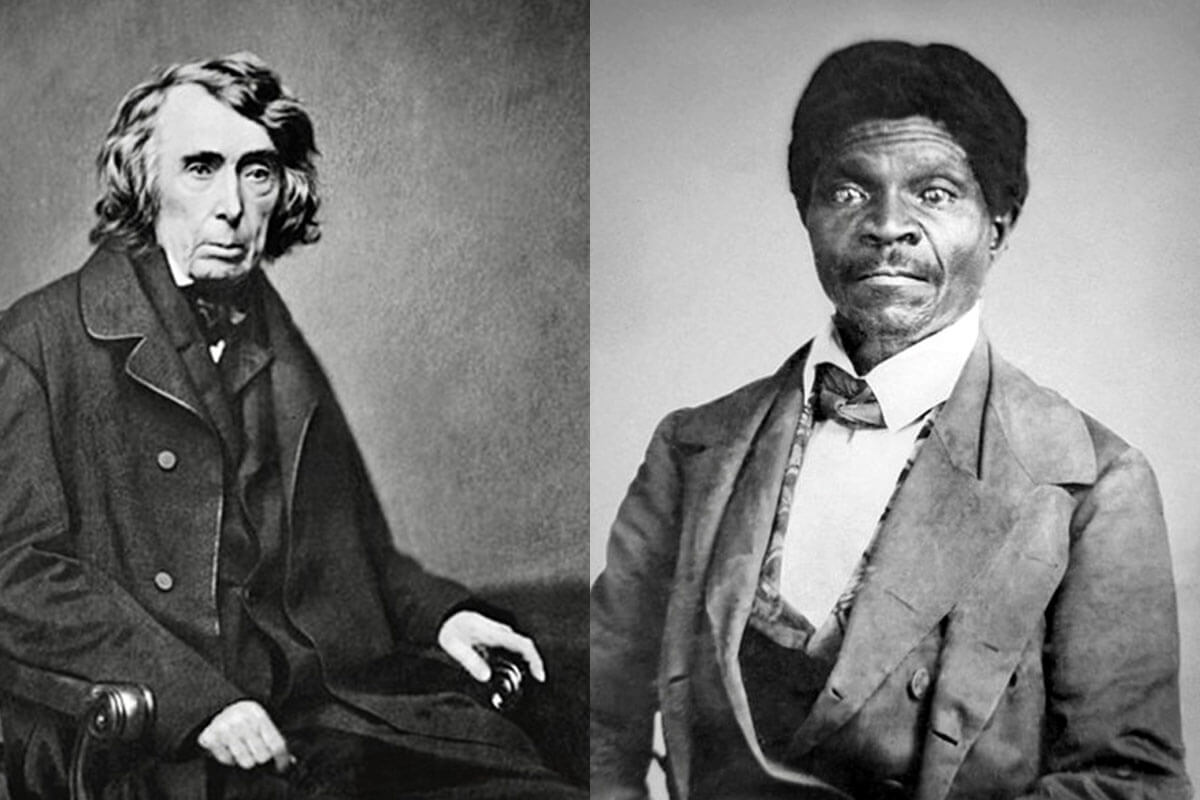
One of the most infamous Supreme Court cases was Dred Scott v. Sandford in 1857. The Court ruled that African Americans were not citizens and therefore could not sue in federal court. This decision is widely considered one of the worst in history. It helped spark the Civil War and inspired the 13th Amendment, which ended slavery.
The Court’s Influence and Legacy
The Supreme Court’s most significant changes came under Chief Justice John Marshall, who served for 34 years. Landmark cases like Marbury v. Madison and Gibbons v. Ogden set important precedents for federal power and judicial review.
The Court decides whether state or federal governments have authority over certain laws and regulations. For example, in recent years, cases like Roe v. Wade have shown how the Court can uphold or overturn major legal precedents.
Appointment and Perception
Justices are appointed for life by the President and must be confirmed by the Senate. The President usually has a shortlist of candidates ready in case a vacancy arises due to retirement or death. While the Supreme Court is supposed to be bipartisan, some argue that justices are loyal to the presidents who appoint them. Still, most Americans believe the Court is fair and strives to put politics aside.
Conclusion
The Supreme Court has existed for nearly the entire history of the United States. It is a complex and highly respected institution that serves as the final word on all court rulings. Its decisions shape the nation, and its legitimacy is rooted in its commitment to upholding the Constitution and ensuring justice for all.
No comments:
Post a Comment